
TDV (Total Daily Vehicles) describes how many vehicles travel along a street over a full day — not just in peak hour, but from early morning to late at night.
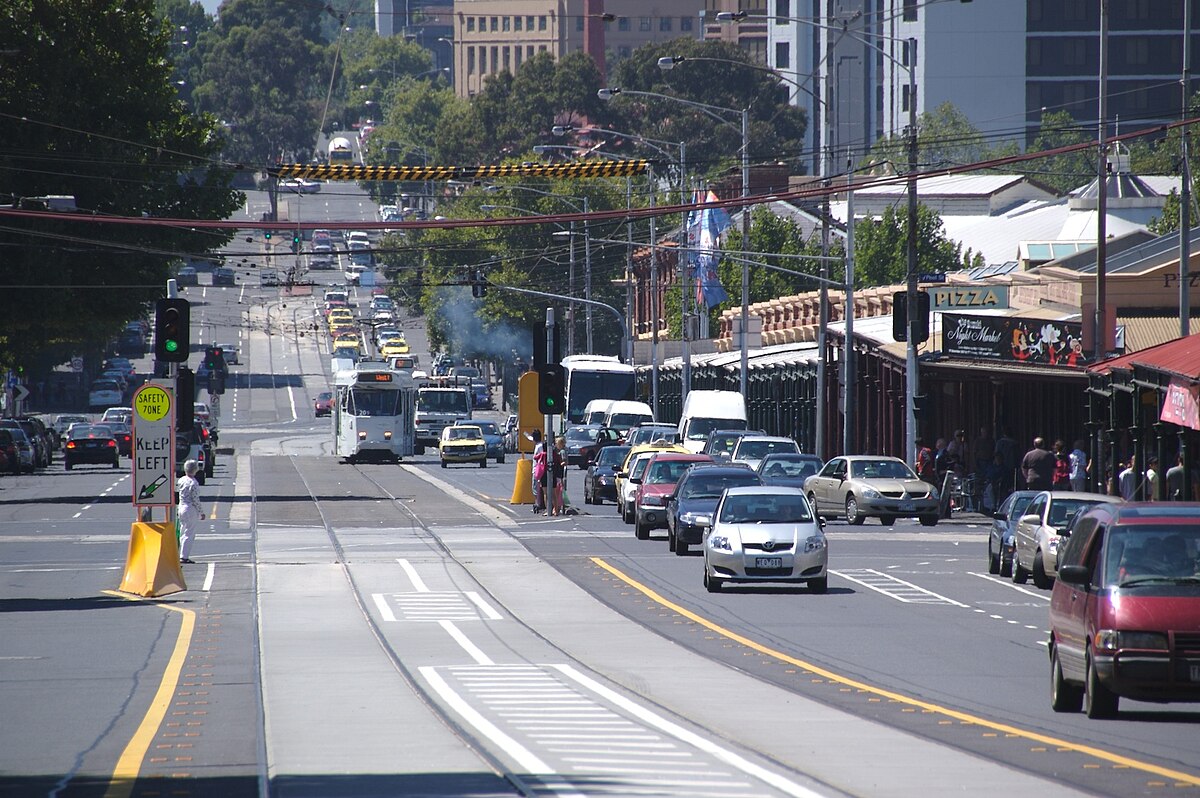
In North and West Melbourne, TDV matters more than in many other parts of the city because most of the key streets were already busy for most of the day before the West Gate Tunnel opened.
4
Why TDV Is Critical in North and West Melbourne
The road network here is constrained:
- Streets are narrow
- Many intersections are signalised
- Trams share road space
- There are few alternative east–west routes
- Through-traffic mixes with local access
Because of this, overall daily traffic load matters more than peak-hour spikes.
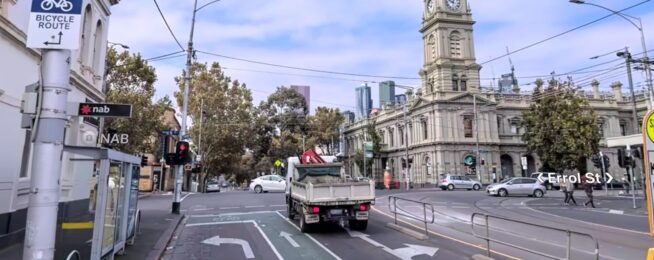
City of Melbourne analysis undertaken during the West Gate Tunnel planning process found that the main east–west streets at the northern edge of the CBD — Hawke Street, Arden Street, Queensberry Street and Victoria Street — were already forecast to operate at or near capacity for 12–14 hours per day.
That finding is crucial. It means these streets were not just busy in the morning and afternoon peaks — they were effectively full most of the day.
What High TDV Looks Like in Practice
When TDV is high and sustained across the day, residents experience:
- queues that don’t clear between signal cycles
- congestion spreading into the middle of the day
- traffic noise becoming constant rather than occasional
- drivers diverting onto local streets looking for gaps
- travel times that become unpredictable, even off-peak
In North and West Melbourne, this pattern was already present before any new traffic was added.
Why “Small” TDV Increases Have Big Effects Here
On a lightly used road, adding 1,000 vehicles per day may barely register.
On streets like Victoria Street, Queensberry Street or Arden Street, adding even a few thousand extra vehicles per day can push the network past a tipping point.
That’s because:
- almost all available green time is already used
- intersections have little spare capacity
- any disruption (trams, deliveries, turning vehicles) causes spill-back
- congestion compounds across closely spaced intersections
In short, North and West Melbourne has very little tolerance for additional TDV.
TDV and Traffic Redistribution
One of the most important — and least understood — aspects of TDV in North and West Melbourne is redistribution.
Even if the total number of vehicles entering the inner city doesn’t increase dramatically, changes such as:
- new tunnels or freeway connections,
- turn bans and road closures,
- traffic-calming or “amenity” measures,
can push vehicles onto streets that were already near capacity.
When this happens:
- TDV increases are concentrated on a small number of streets
- congestion intensifies rather than spreading evenly
- nearby north–south streets (such as Curzon and Dryburgh) absorb overflow
- local access becomes harder, even for short trips
TDV helps explain why residents can feel a sharp change, even when official summaries describe impacts as modest.
TDV vs Peak Hour — Why Residents Feel Congestion All Day
A common misconception is that traffic problems are mainly about peak hour.
In North and West Melbourne, TDV shows why that isn’t true.
Because east–west streets already carry heavy volumes for most of the day:
- congestion doesn’t “switch off” after 9:30am
- lunchtime, school pick-ups and evening trips are affected
- off-peak travel times increasingly resemble peak conditions
For residents, this means traffic feels persistent, not episodic.
Why TDV Matters for Amenity and Liveability
TDV is not just a technical planning metric. In inner-city neighbourhoods like North and West Melbourne, it directly affects:
- noise levels inside homes
- the ease of crossing the street
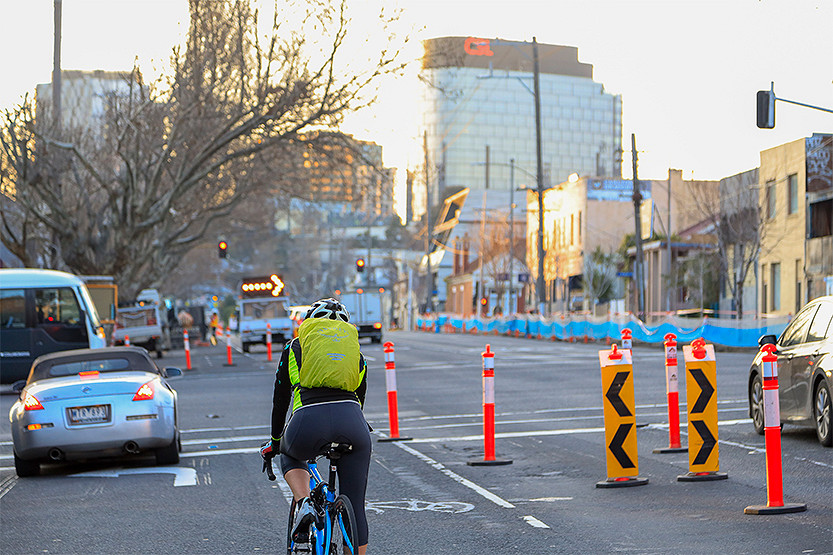
- safety for cyclists and pedestrians
- access to local streets and driveways
- the character and liveability of residential areas
When TDV increases on streets that were already heavily loaded, these impacts are felt quickly and continuously.
In Plain Terms
You can think of the North and West Melbourne road network like a series of narrow pipes that were already close to full.
TDV tells us how full they were to begin with.
When more traffic is added — or shifted from elsewhere — there is very little room left. Pressure builds fast, and the effects spill out onto neighbouring streets and into everyday life.
That is why understanding TDV is essential to understanding what is happening — and what residents are experiencing — in North and West Melbourne today.